I wouldn't be surprised if it's not already in the Municipal Code for the city, since they need a way to maintain consistency. For example, here's the divisions in Renton, which are oddly complicated relative to the size of the city: https://www.codepublishing.com/WA/Renton/#!/Renton09/Renton0...
Oh this is fun. I'm in the process of building something similar, but I'm splitting it into two parts: the first part is a static site generator and the second is a CGI that implements the micropub spec, which can run the static site generator when it receives new content.
That comparison would depend heavily on what you're storing.
Ion has the option of using symbol tables to replace strings (e.g. in struct/map keys or in values). So, if you benchmark had a large number of records with similar structures, I would expect Ion to pull ahead. On the other hand, if each record had nothing in common, I'd expect them to perform similarly.
One feature of the Ion libraries that I've liked is the parser will take any of the formats and figure out what to do with it (text, binary, compressed binary). It's one less thing to worry about. You can switch encodings later without breaking consumers, you can write plain text Ion when you're testing, etc.
Symbol tables, compression, etc seem one level of abstraction above what msgpack provides. Such features could be implemented on top of vanilla msgpack as long as all parties agree on the msgpack schema.
I don't use my google account for much anymore, but I love the idea. I tried very hard to use it and... it didn't work.
I went to my google account and clicked "Create a passkey", but apparent my "device doesn't support creating passkeys" (Linux, Firefox).
The page said my Pixel 2 has an automatically created passkey, so maybe I could experience the "use another device to sign in" flow. Opened a private window and my only option was a password (but there was a feedback prompt asking why I still wanted to use a password).
I tried again with Firefox on Android, but the "Create a passkey" button doesn't even appear. Same story with Chrome on Android.
Is it just me, or does the future look a lot like Internet Explorer in the early 2000s?
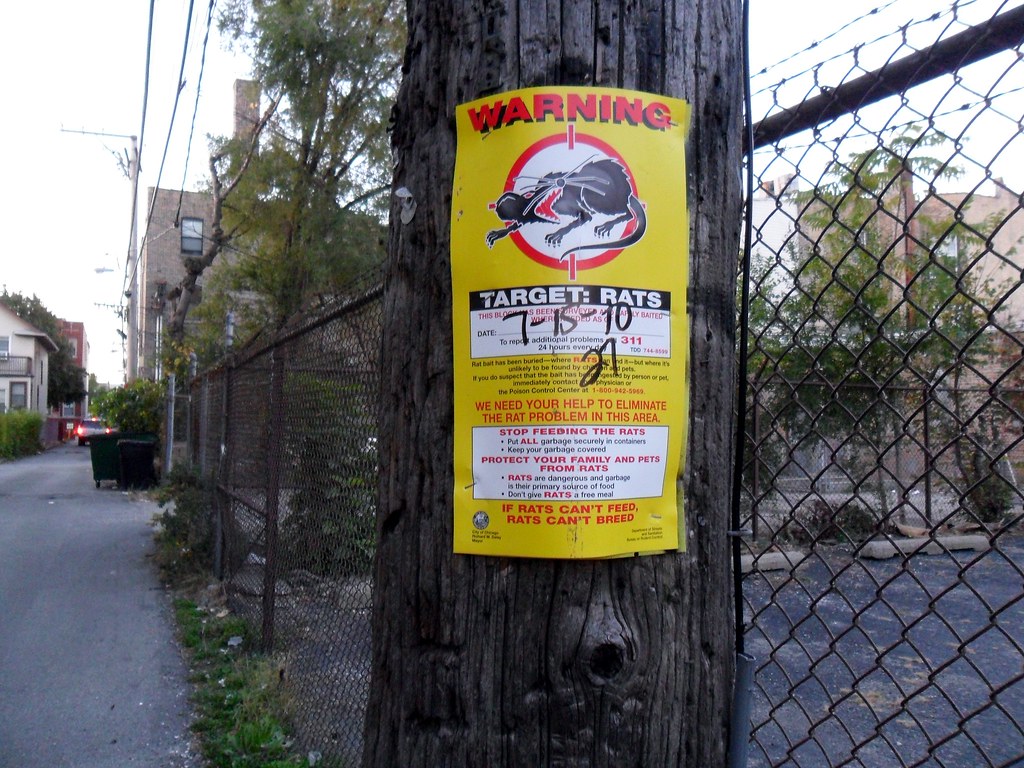
In Chicago, it's done to keep the alleys clean. There's a long history of people digging through dumpsters and making messes, providing homes and hospitality for rats. A previous mayor had a real phobia about rats, and made locking up dumpsters a pretty serious rule.
> I suspect the lock is more about keeping other people's trash out than keeping theirs in.
There are stories about stores/restaurants calling cops when they catch you "stealing" "their" food from a dumpster. Essentially people taking food from dumpsters are treated like overgrown rats... Because https://youtu.be/P7J384IMuMM
While I agree with you, it's pretty easy to claim ownership of an item from your store that you put into your trashcan on your property that you then hire someone to come get.